

Let’s not sugar-coat it, electricity is dangerous and despite strict regulations, it’s still responsible for around 1,000 workplace incidents every year in the UK. Which is why proving dead before you work isn’t just important, it’s essential.
What Does “Proving Dead” Actually Mean?
Proving dead is the process of confirming a circuit is completely de-energised before you work on it. It’s a critical part of a safe isolation procedure and a legal requirement under the Electricity at Work Regulations.
Locking off a circuit isn’t enough. You need to test it properly using the right equipment.
Why “OFF” Doesn’t Always Mean Dead
Here’s a common (and dangerous) myth: “I’ve locked it off, so it must be safe.”
Wrong.
Even with a circuit isolated, the neutral can become live if another energised load connects to it. That’s why it’s not enough to just flick the switch and throw on a padlock. You need to prove the circuit is actually dead with equipment you’ve verified is working properly.
The Correct Way to Prove Dead
Here’s the safe isolation procedure done right:
- Identify the correct circuit.
- Isolate it at the switchgear.
- Lock it off and tag it.
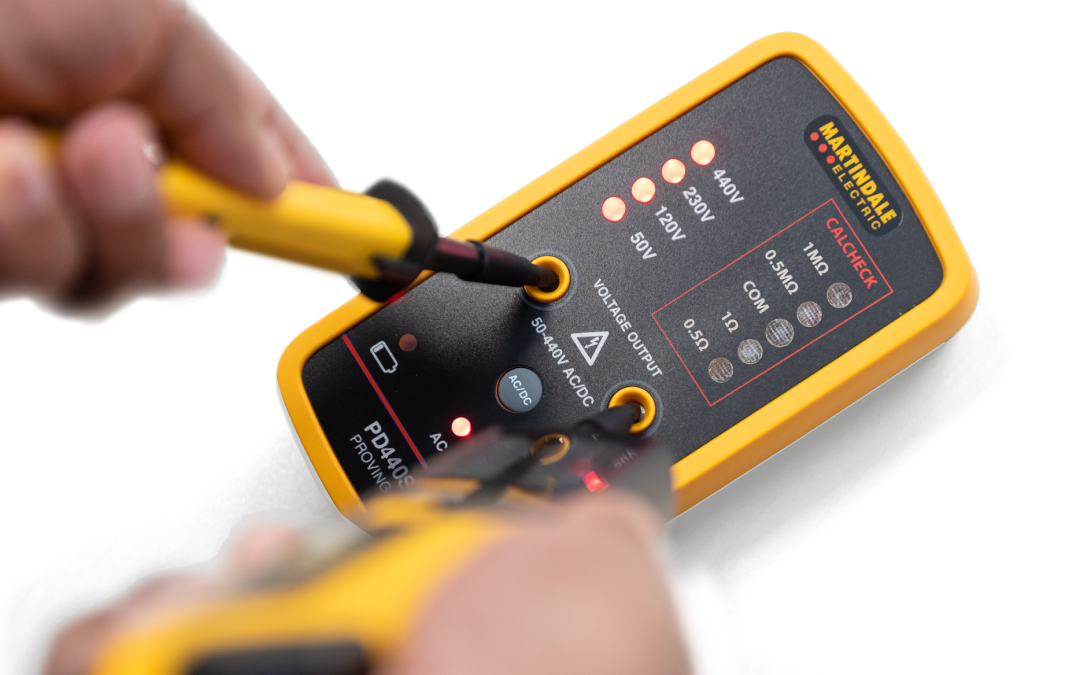
- Prove your voltage indicator works using a proving unit.
- Test the circuit for the absence of voltage.
- Re-test your indicator with the proving unit.
Skip a step and you’re taking a gamble. And no one wants to gamble with 230V.
A helpful way to memorise the basic vital steps is ALIVE, Martindale Electric’s easy to remember procedure:
- A – Use Approved test equipment
- L – Lock Out Tag Out
- I – Initial prove
- V – Voltage test
- E – Ensure the voltage indicator is still OK
For more information see: martindale-electric.co.uk/alive/
Why You Need a Voltage Indicator and Proving Unit
To be clear: it is definitely not advisable and often not feasible to rely on a known live source to test your voltage indicator. It might not always be possible to get access. Also, it might only partially light the LEDs. Only a proving unit confirms every range is working.
Multimeters and non-contact testers are not acceptable for proving dead. Multimeters can give false readings if you’re on the wrong range, or if the batteries are flat. And non-contact testers? Great for detecting voltage, but of little value for confirming it’s gone.
The Safe Solution:
We know the job because we’ve been supporting customers for over 40 years. Safe Isolation Kits are designed to take the guesswork out of staying safe.
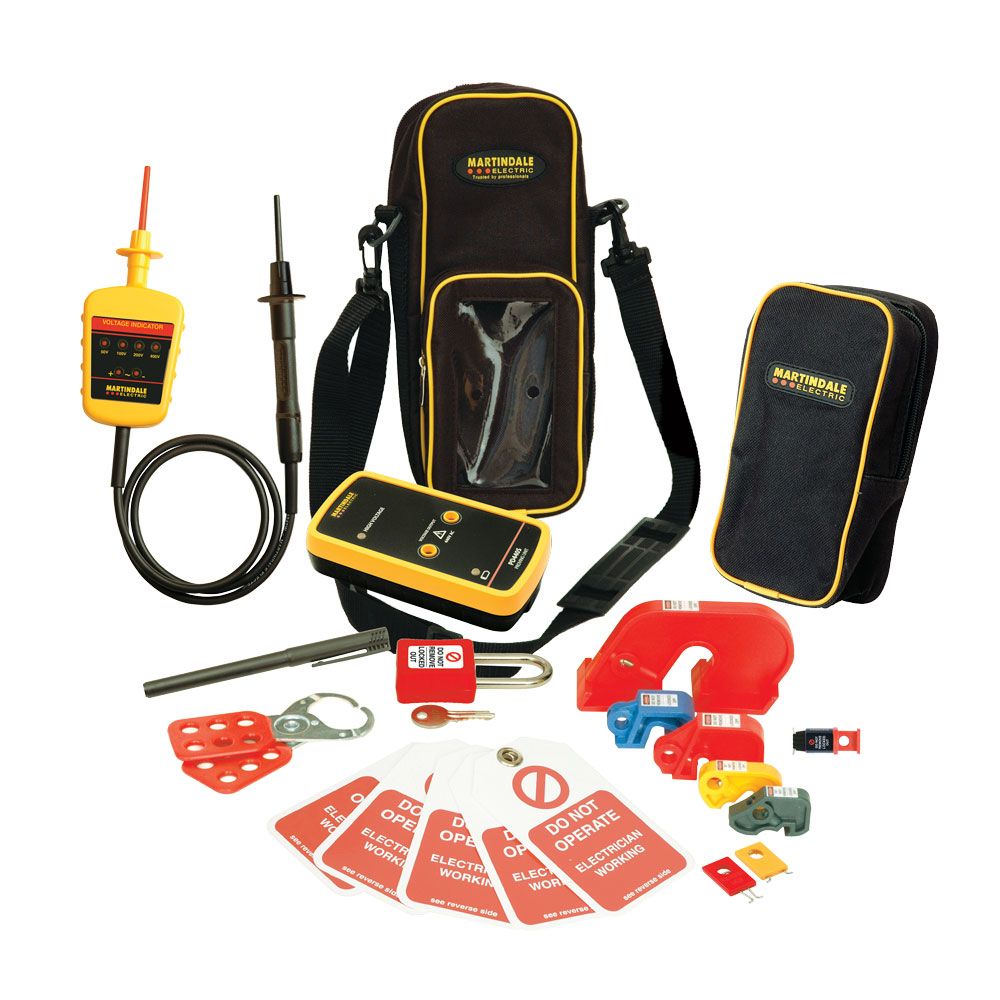
Trusted by Electricians Nationwide
Whether you’re a contractor, facilities manager or part of a maintenance team in utilities, education or manufacturing, these kits are widely used and specified across the UK.
They’re simple, robust and built to comply with BS EN 61243-3 and HSE GS38.
Don’t Risk It
Not proving dead is more than just a shortcut, it’s a serious risk. It could cost a life. It could cost a business. And it could cost you personally if you’re held responsible under health and safety law.
We’re here to help you avoid that. Because we believe safety should always come first.
Quick FAQs
Q: Should I use a multimeter to prove dead?
A: No. Multimeters can give false readings due to incorrect settings or battery issues. Use a GS38-compliant voltage indicator and proving unit.
Q: Is locking off the circuit enough?
A: No. You must test and prove the circuit is dead before working on it.
Q: Do I need a proving unit?
A: Absolutely. It’s the only way to always confirm your voltage indicator is functioning correctly.
Need help choosing the right kit? Just give us a shout…we’re always happy to help.


