In factories and workshops across the UK, compressed air, gas and vacuum systems keep production lines moving. They power everything from pneumatic tools and robotics to conveyors and packaging machines.
But here’s the problem… leaks. Hidden behind pipework, fittings or hoses, they waste thousands of pounds a year in lost energy and maintenance costs.
The Real Cost of Leaks
A small 3 mm (1/8″) leak might not sound serious, but it can cost over £2,000 a year in wasted energy. Studies show that up to 20–30% of total compressed air output is often lost through leaks.
When pressure drops, engineers sometimes overcompensate by running larger compressors or increasing system pressure, driving up costs even further. On top of energy loss, leaks can lead to faulty equipment, production delays and unnecessary wear on machinery.
As highlighted in Fluke’s article Hidden Profits Found in Quick Detection and Air Leak Repair, one maintenance manager put it, “a single low-pressure air line can mean under-torqued tools, wasted time and rework, all of which hit the bottom line.”
Why Leaks Go Undetected
Traditional methods for finding air leaks are crude and time-consuming. Listening for a hiss or spraying soapy water around joints isn’t just inefficient, it can be unsafe in active work areas.
Ultrasonic detectors can be used but they require quiet conditions and close access to the equipment. That means engineers spend hours crawling around pipework during downtime, and still risk missing leaks hidden in ceilings or tight spaces.
Smarter Leak Detection
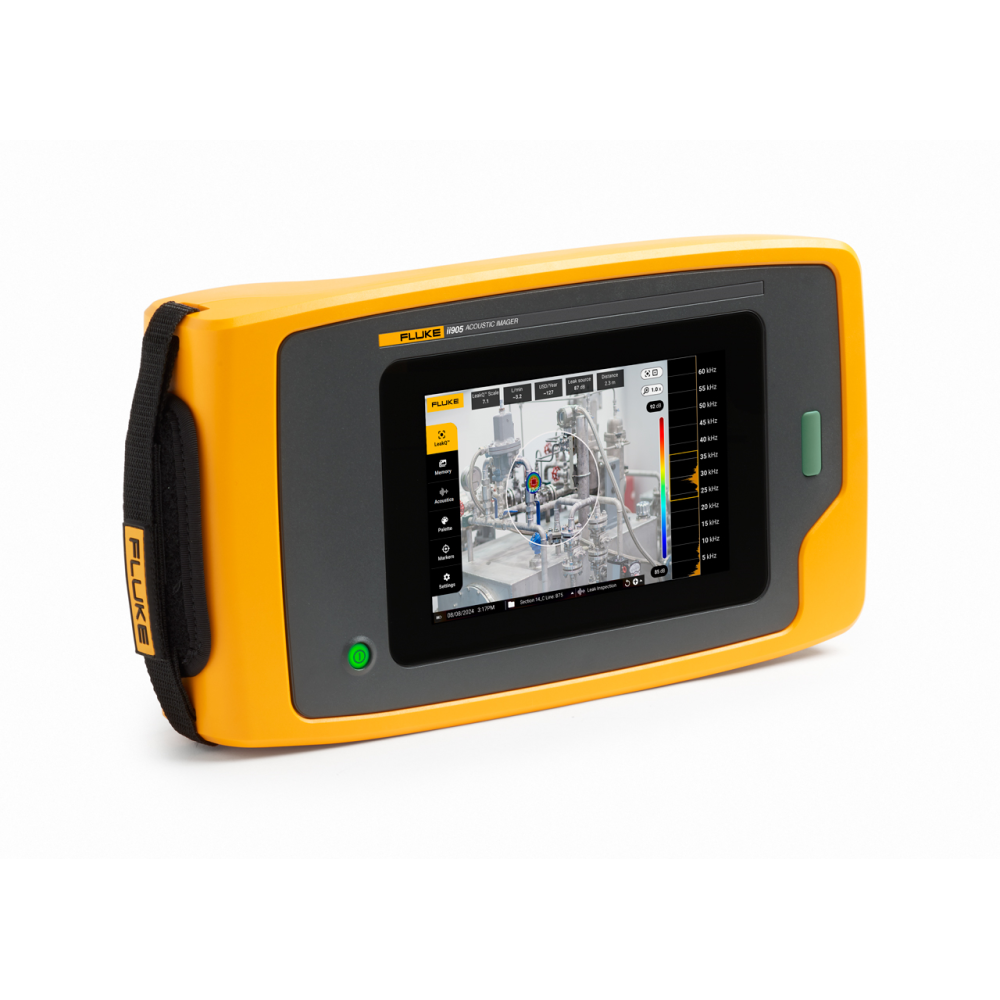
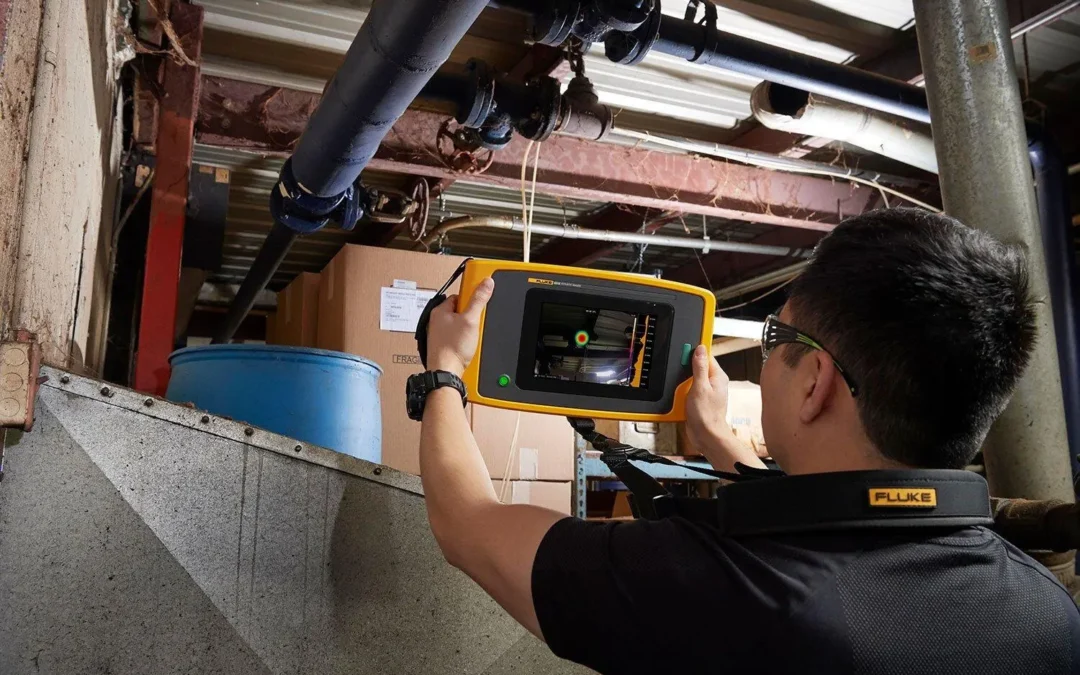
New technology is making leak detection faster and safer. Acoustic imaging tools like the Fluke ii905 Acoustic Imager use an array of precision microphones to detect sonic and ultrasonic sound waves. The device pinpoints the exact source of a leak and overlays it onto a visible image, showing engineers precisely where the problem is — even from up to 50 metres away.
Leaks can now be located while machinery is still running, cutting out downtime and guesswork.
How Much Air Are You Losing?
The first step in managing leaks is knowing your “leak load.” In a healthy system, leaks should account for no more than 10% of total air production. Anything above that is waste.
A simple test is to run the compressor during downtime and record how quickly system pressure drops. Even a basic reading gives a clear indication of losses. For more detailed analysis, energy audits using loggers or analysers can help quantify savings and build a business case for repairs.
Where to Look First
Leaks are most common at:
- Hoses and couplings
- Pipe joints and quick disconnects
- Valves, FRLs and fittings
- Condensate traps and tanks
Inspecting these areas regularly can reduce air loss dramatically and quickly improve system efficiency.
Turning Waste into Savings
For maintenance teams and facility engineers, fixing leaks isn’t just good practice, it’s a profit opportunity. By identifying and repairing leaks early, businesses can reduce energy costs, extend equipment life, and boost system reliability.
Tools like the Fluke ii905 Acoustic Imager are transforming how engineers approach maintenance. What used to take hours now takes minutes and every leak found is money saved.
Hidden leaks might be silent, but fixing them speaks volumes for efficiency and the bottom line.