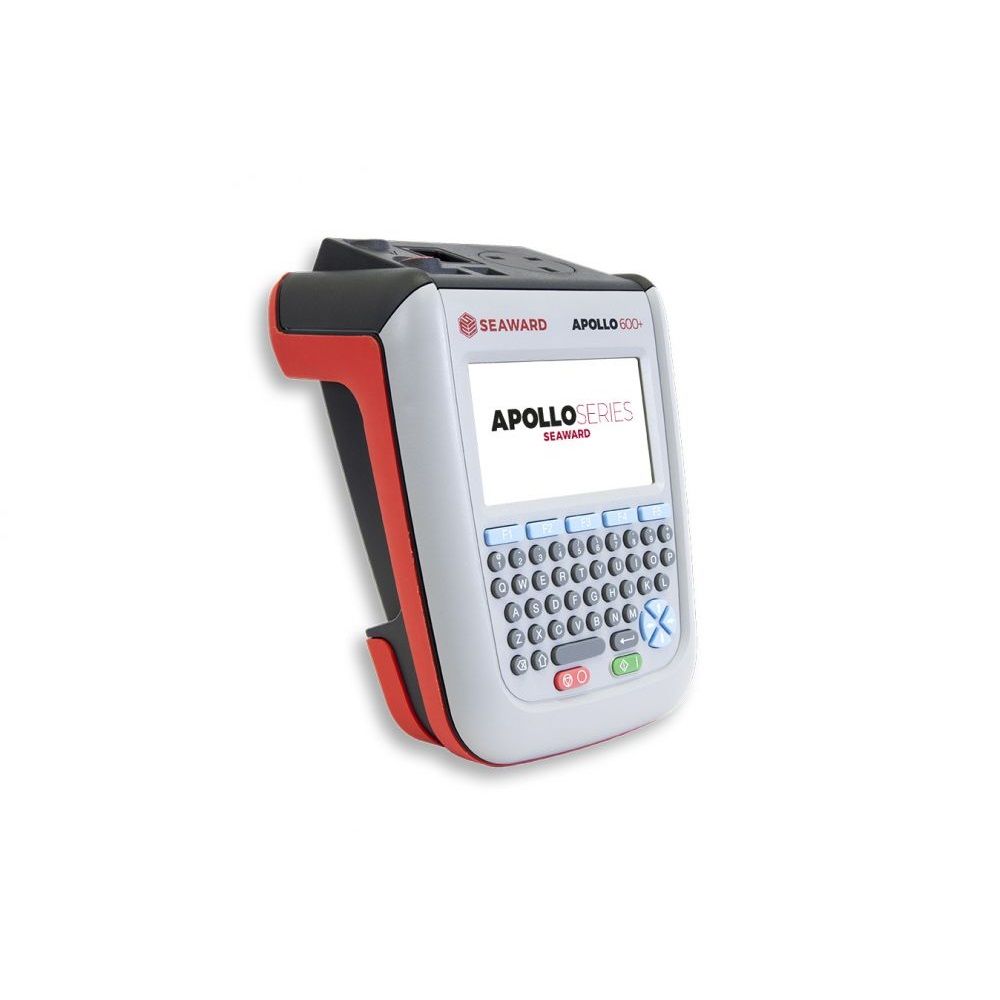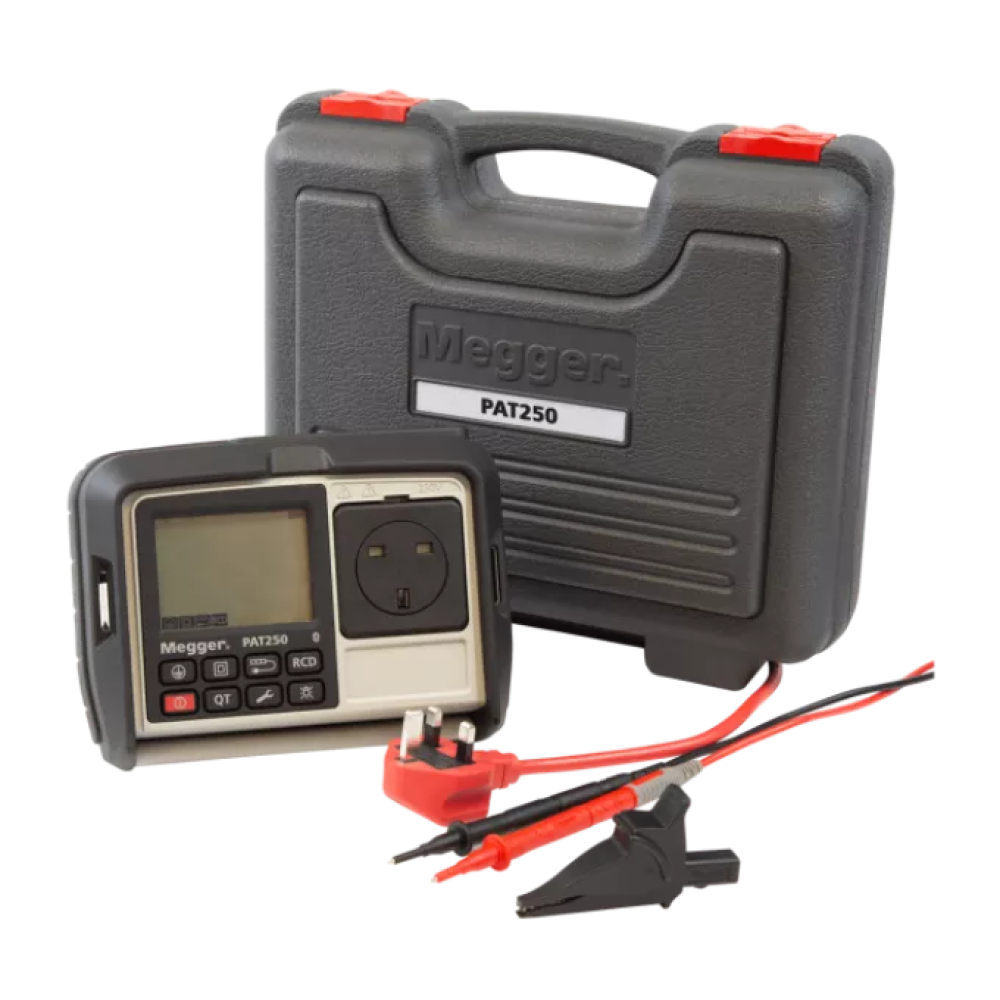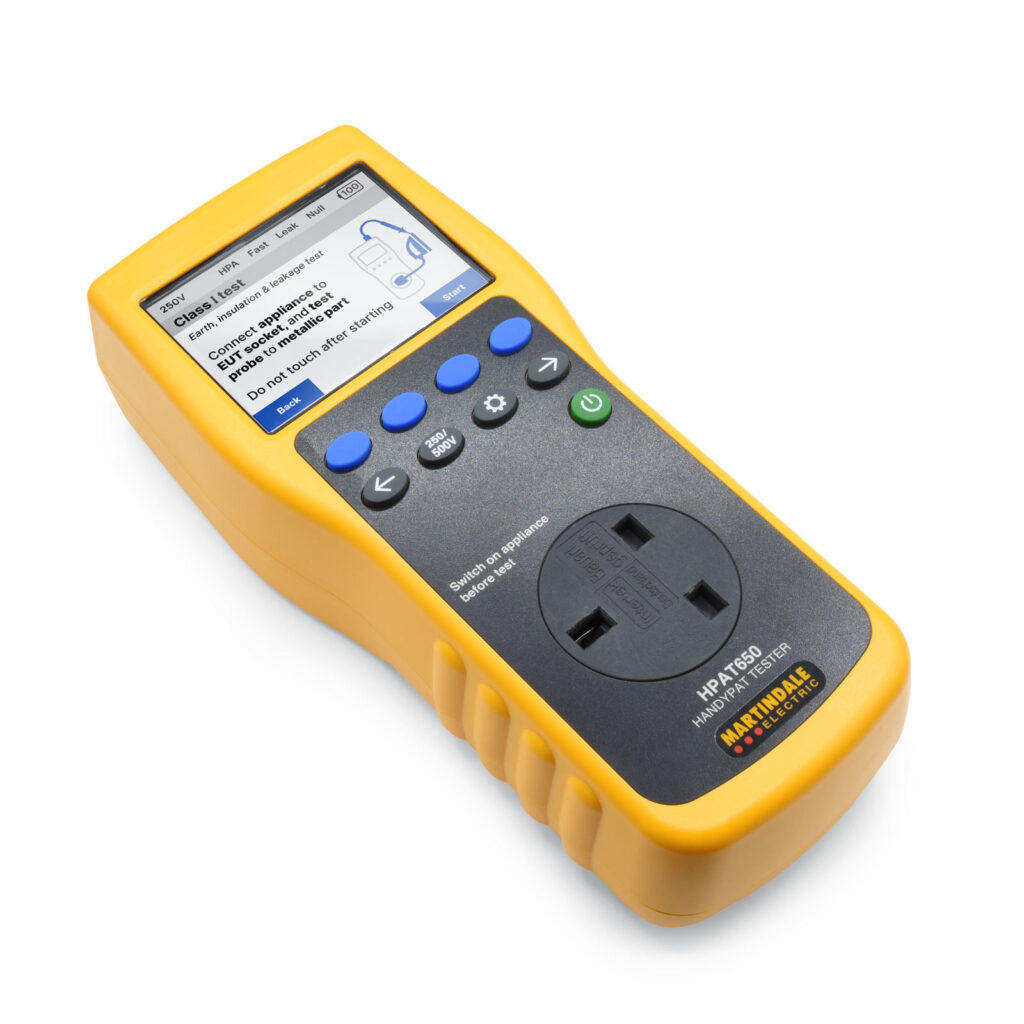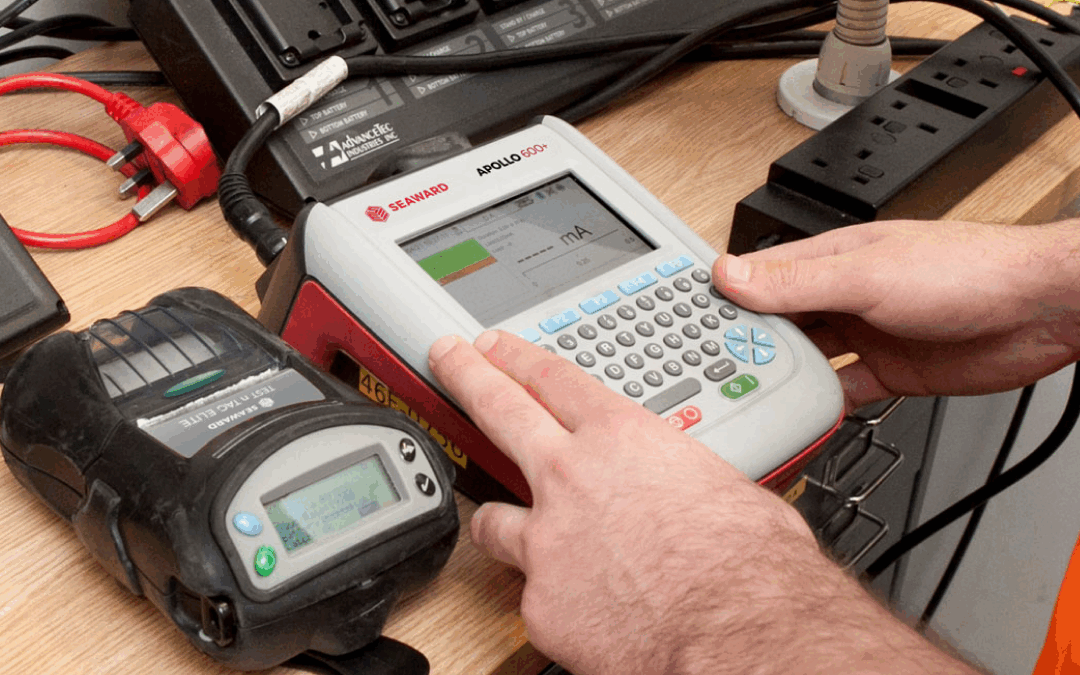
Even the pros slip up sometimes. Here’s how to avoid the most common traps of PAT testing that even the most experienced users can fall into.
Avoiding these 12 mistakes can save time, hassle and most importantly, keep everyone safe.
1. Skipping the Visual Check
Always start with a visual inspection. Damaged plugs, signs of overheating, frayed cables or cracked casings?
That’s a fail, no matter what the tester says.
2. Testing in the Wrong Order
For Class I appliances, test earth continuity first.
Why? Because the insulation test often uses the earth wire as the return path. If the earth path is faulty and you haven’t checked it first, your insulation reading might be meaningless, or worse….it could be misleading.
3. Forgetting to Switch the Appliance On
Insulation tests won’t catch a fault if the appliance is off. A break in the live wire won’t show unless current can flow.
The result? A false pass on an appliance that could be dangerous.
4. Holding the Appliance During Testing
Yes, it’s convenient—but if insulation fails while you’re holding it? You’re in for a shock. Hands off!
5. Only Doing One Earth Bond Test
If an appliance has multiple metal parts, each part could have its own earth path. One earth bond test won’t cover them all, test each part individually to ensure full safety.
6. Averaging Earth Readings
If you’re testing multiple earth paths, don’t average multiple readings.
Always use the worst-case reading to assess safety.
7. Earth Testing Class II Appliances
Class II = double insulated = no earth. Earth bond tests will always fail here. It’s not a fault, it’s just not the right test.
8. Skipping Extra Insulation Tests
Insulation can break down at multiple points—chuck, trigger, vents, etc. Wrap the appliance in foil to test it thoroughly.
9. Ignoring the Fuse
No need for a separate test, just power up the appliance. If it works, the fuse is fine.
10. Skipping the Function Test
The tester might say PASS, but if it doesn’t power on, it’s still faulty. If your tester doesn’t support power-on testing, plug the appliance into the mains after testing and check it functions properly.
11. Testing at the Wrong Voltage
Surge-protected gear? Use 250V, not 500V. You could trip the protection or damage the appliance otherwise.
12. Incorrect Pass Levels
Longer leads = more resistance. More resistance can mean a fail unless you adjust the pass level using the formula in the PAT Code of Practice. It’s not just a guideline, it’s essential for accurate results on appliances with non-standard cable lengths
👇 In a Nutshell
PAT testing is about accuracy, safety and doing things right.
Check out our PAT training courses, ideal for both new users and seasoned testers.
Or if you need kit, calibration or just a bit of guidance, give us a shout. We’re here to help.