


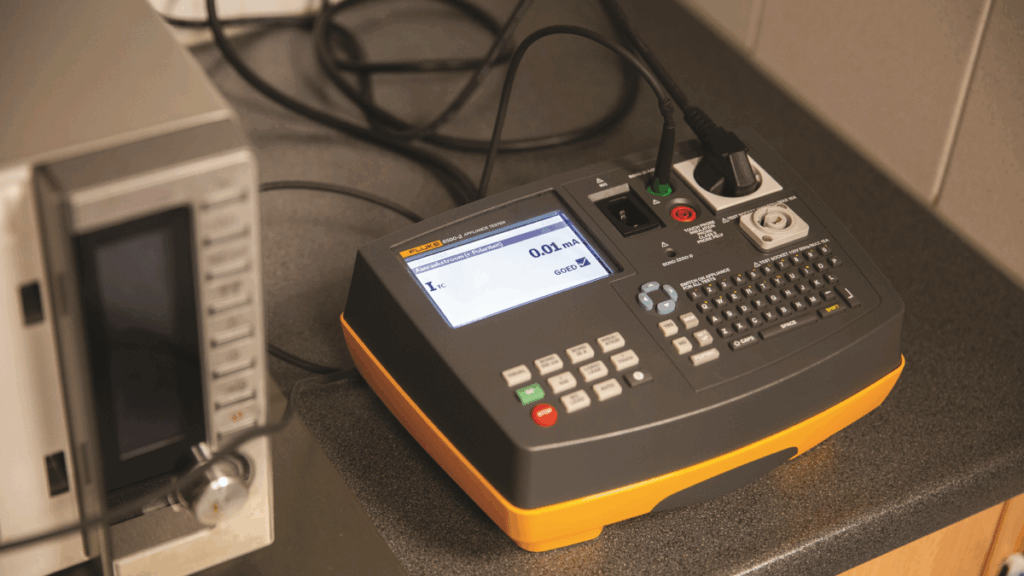
You might have heard the term Electrical Equipment Testing (EET) floating around lately and wondered whether it’s any different from Portable Appliance Testing (PAT). The short answer? It isn’t. The process is exactly the same, the name has simply been updated to reflect the fact that testing applies to more than just portable items.
Let’s take a closer look at what’s behind the change and what it means in practical terms for anyone responsible for keeping electrical equipment safe.
What Is PAT Testing?
PAT testing is the process used to check that electrical equipment is safe. It’s a structured inspection and test that includes two main stages:
- A formal visual inspection, to look for obvious damage, wear or potential hazards such as cracked plugs or signs of overheating.
- Instrument-based testing, using a Portable Appliance Tester (PAT) to measure the electrical safety of the equipment.
This combination of checks helps identify faults that might not be visible at a glance, things like poor insulation or wiring issues that could create a safety risk.
Note that users should also be encouraged to carry out regular and visual checks when using higher risk items such as power tools in industrial and similar environments.
Why the Change from PAT to EET?
Back in 2020, the fifth edition of the IET Code of Practice for In-Service Inspection and Testing of Electrical Equipment introduced the term Electrical Equipment Testing (EET). The idea was to modernise the terminology.
The word portable in “PAT” had led some to believe that only small, plug-in devices needed testing. In reality, the inspection and testing process applies to any piece of electrical equipment that connects to the mains, whether it’s portable, fixed or built-in.
Using “Electrical Equipment Testing” better reflects this full range, covering everything from laptops, chargers, and kettles through to fridges, vending machines and heavy-duty industrial kit. So, while the term PAT remains widely used (and probably always will be), EET simply makes the scope clearer.
What Equipment Is Covered?


Electrical Equipment Testing includes portable and movable appliances such as kettles, leads and power tools, but it also applies to stationary or fixed equipment like dishwashers, fridges and vending machines. Even built-in or integrated appliances are included if they draw power from the mains supply.
A quick note: devices powered only by batteries don’t need testing, but their mains chargers do.
In short, if it plugs in or connects directly to the mains, it should be part of your regular testing regime.
Is PAT / EET Testing a Legal Requirement?
Strictly speaking, there’s no specific law that says you must carry out PAT or EET testing. However, employers have a legal duty to make sure electrical equipment is safe to use.
Regular testing is a recognised way to demonstrate compliance with two key regulations:
- The Electricity at Work Regulations 1989
- The Health and Safety at Work Act 1974
These laws don’t tell you how often to test, but frequency depends on the type of equipment, how it’s used and the working environment. A drill on a building site, for instance, will need checking more often than a desktop printer in an office.
The Health and Safety Executive (HSE) provides guidance to help decide appropriate test intervals based on risk level and use.
PAT or EET – Does It Really Matter What We Call It?
Not really. Whether you call it PAT or EET, the important thing is that equipment is tested, inspected and recorded properly. The name change simply helps avoid confusion and ensures that all types of electrical gear get the attention they need.
At Instrotech, our mission remains the same – protecting people and ensuring safer workplaces.
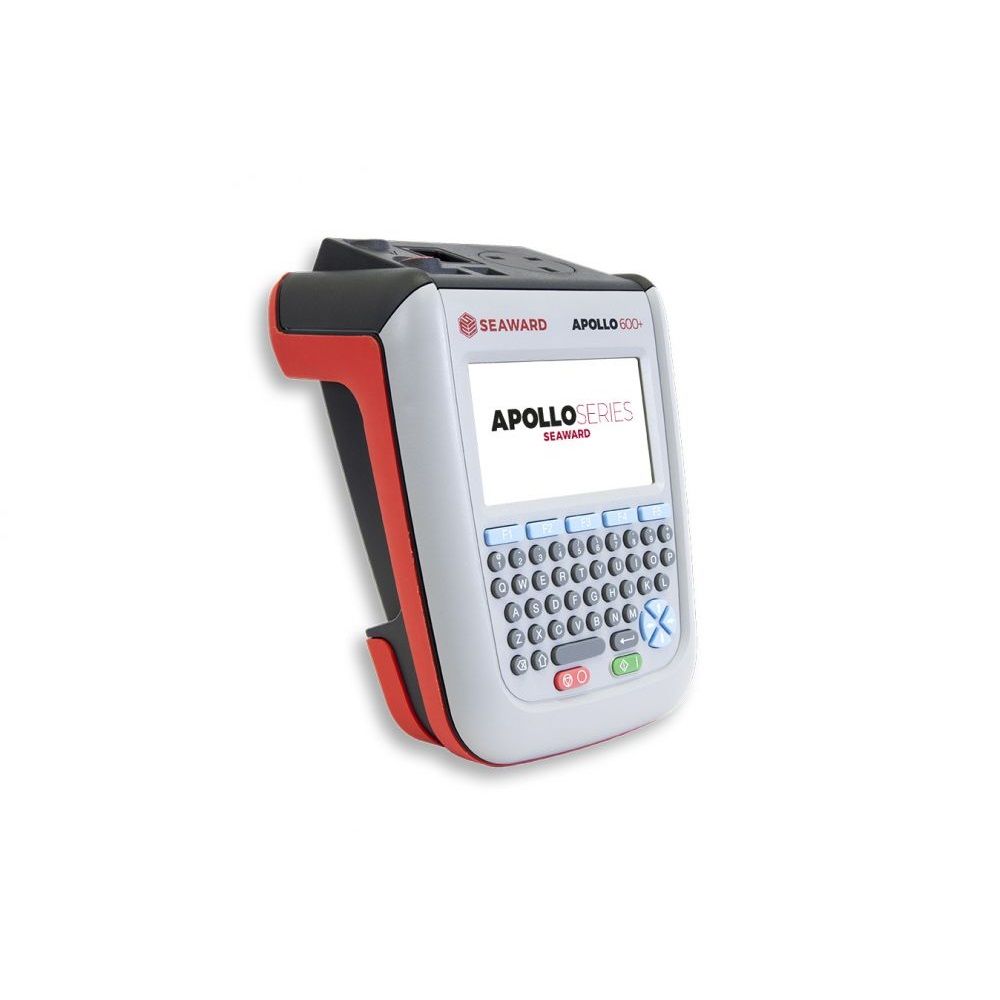
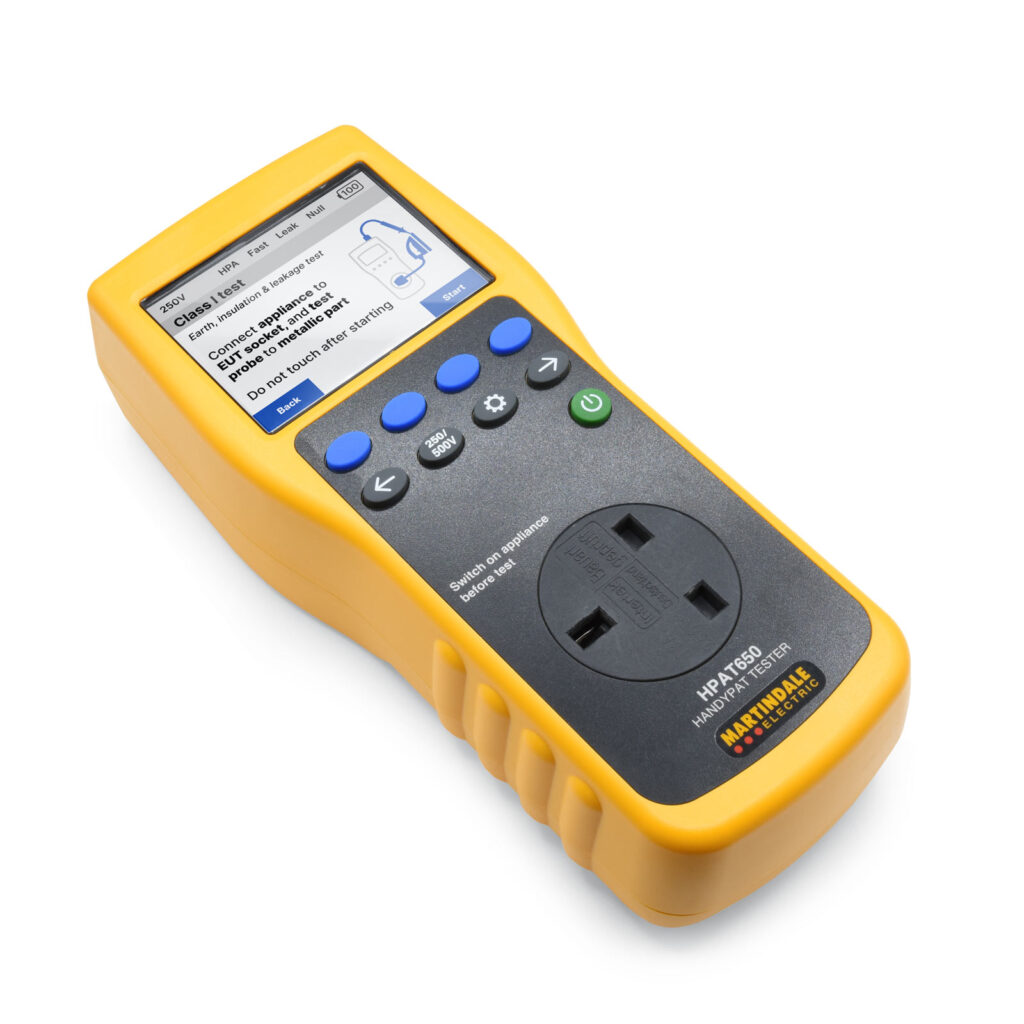
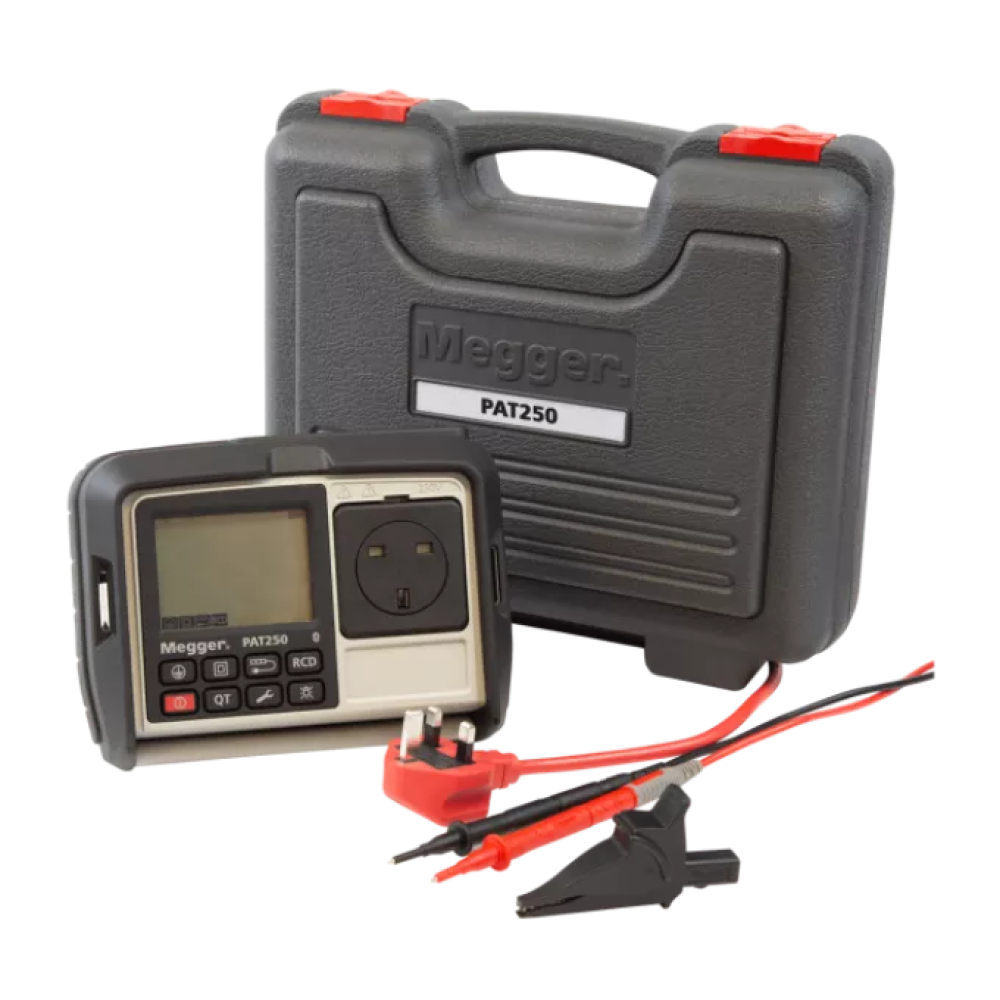
Check out our our PAT / EET Testers & Accessories page.
Related Products


This guide is for general information only and should not replace formal training, professional advice, or regulatory compliance requirements.